Makalioka Rice: Origin, Quality and Cooking of Madagascar's Best
Makalioka rice from Madagascar: the Makalioka 34 variety of Lake Alaotra, its long translucent grain, market reputation, how to choose, store and cook it.
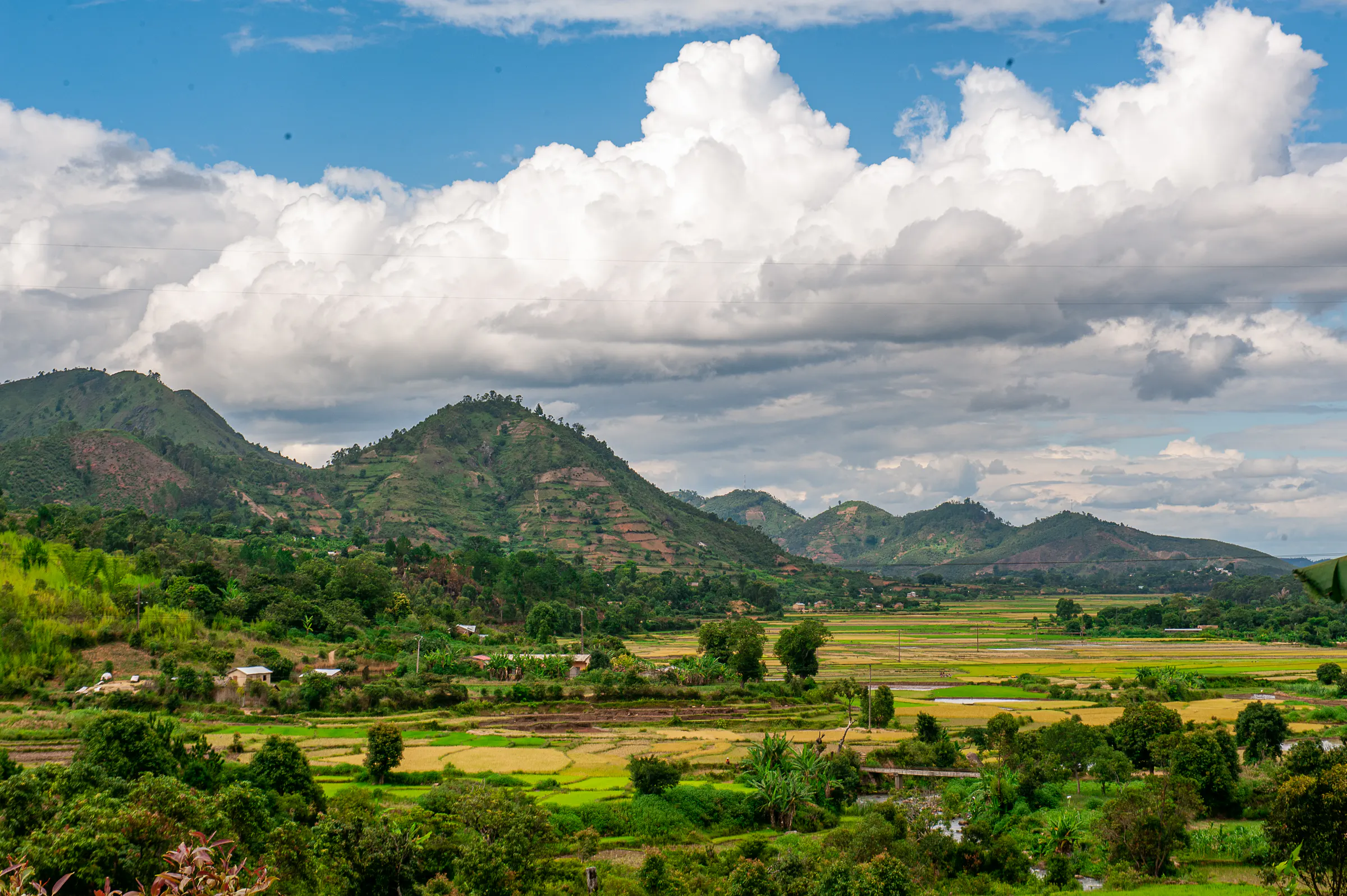
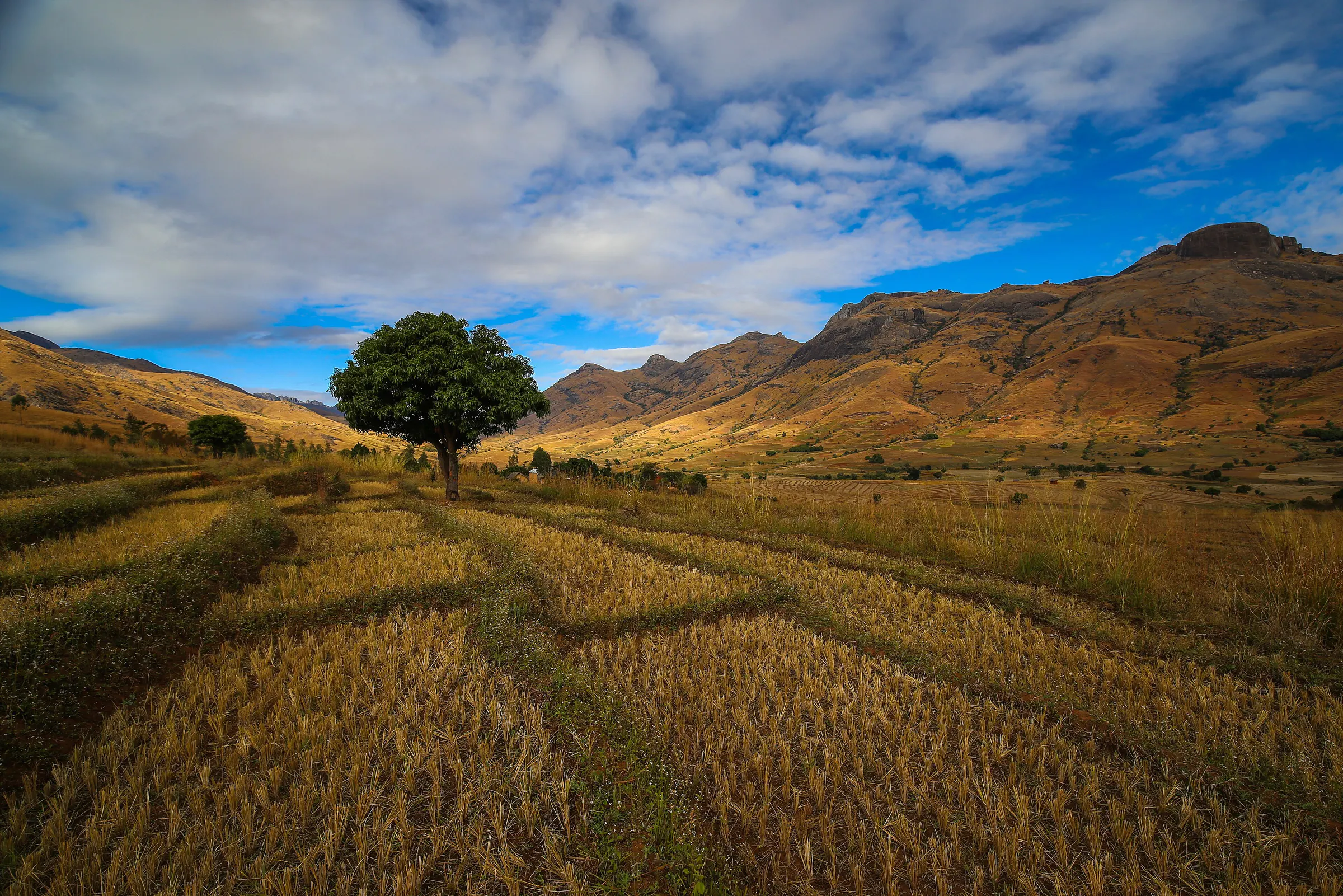
Grown by the tantsaha, the rice farmers of Amparafaravola, in the paddies along Lake Alaotra. Selected and packed in 5 kg bags by Mahasoa Produits Locaux.
Phone +261 38 51 783 94© Leja Mitarika · CC BY-SA 4.0 17°35′ S · 48°13′ E — Amparafaravola
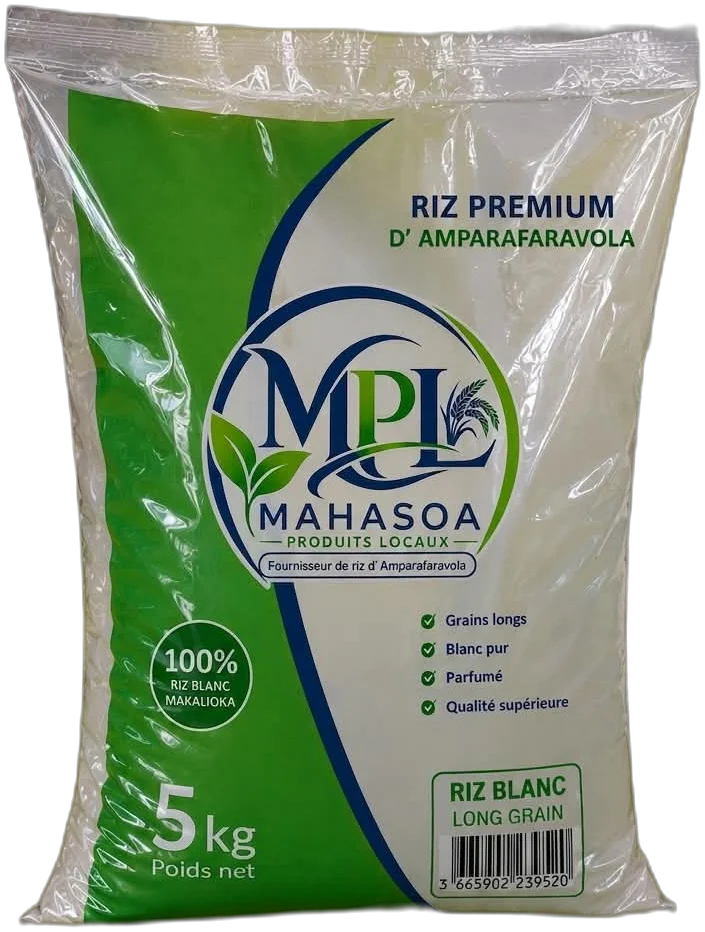 Long grainPure whiteDelicately fragrant 100% Makalioka white rice
Makalioka white rice, carefully selected and packed for a clean, quality product. It comes from Amparafaravola, in the Alaotra-Mangoro region, and works as well in an everyday meal as in more elaborate dishes.
| Product | Makalioka Premium white rice |
|---|---|
| Variety | Makalioka |
| Origin | Amparafaravola, Alaotra-Mangoro region, Madagascar |
| Net weight | 5 kg |
| Packed by | MAHASOA PRODUITS LOCAUX |
| GTIN / EAN-13 | 3665902239520 |
| Use | Everyday meals and all kinds of cooking |
GTIN / EAN-13 code
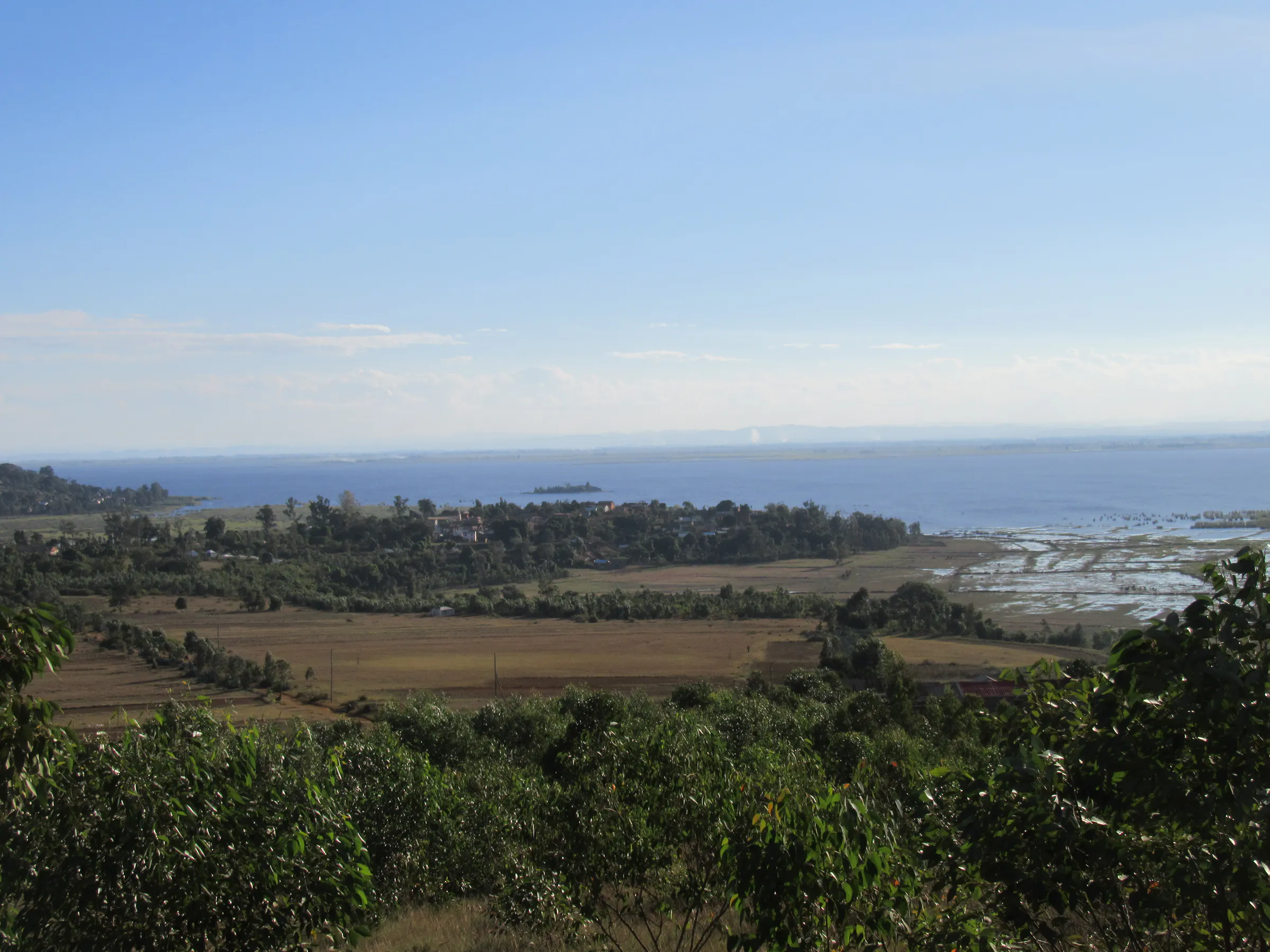
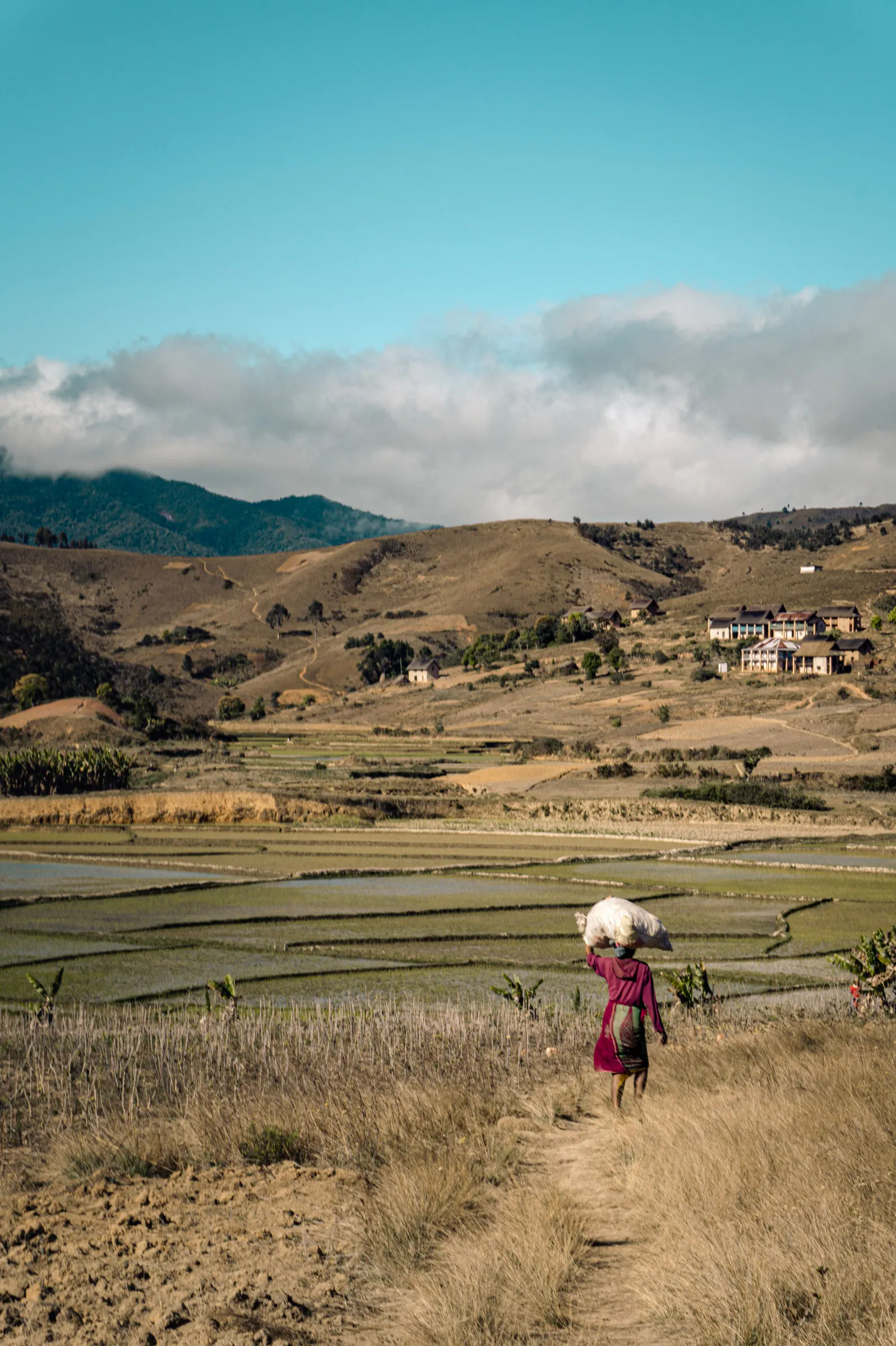
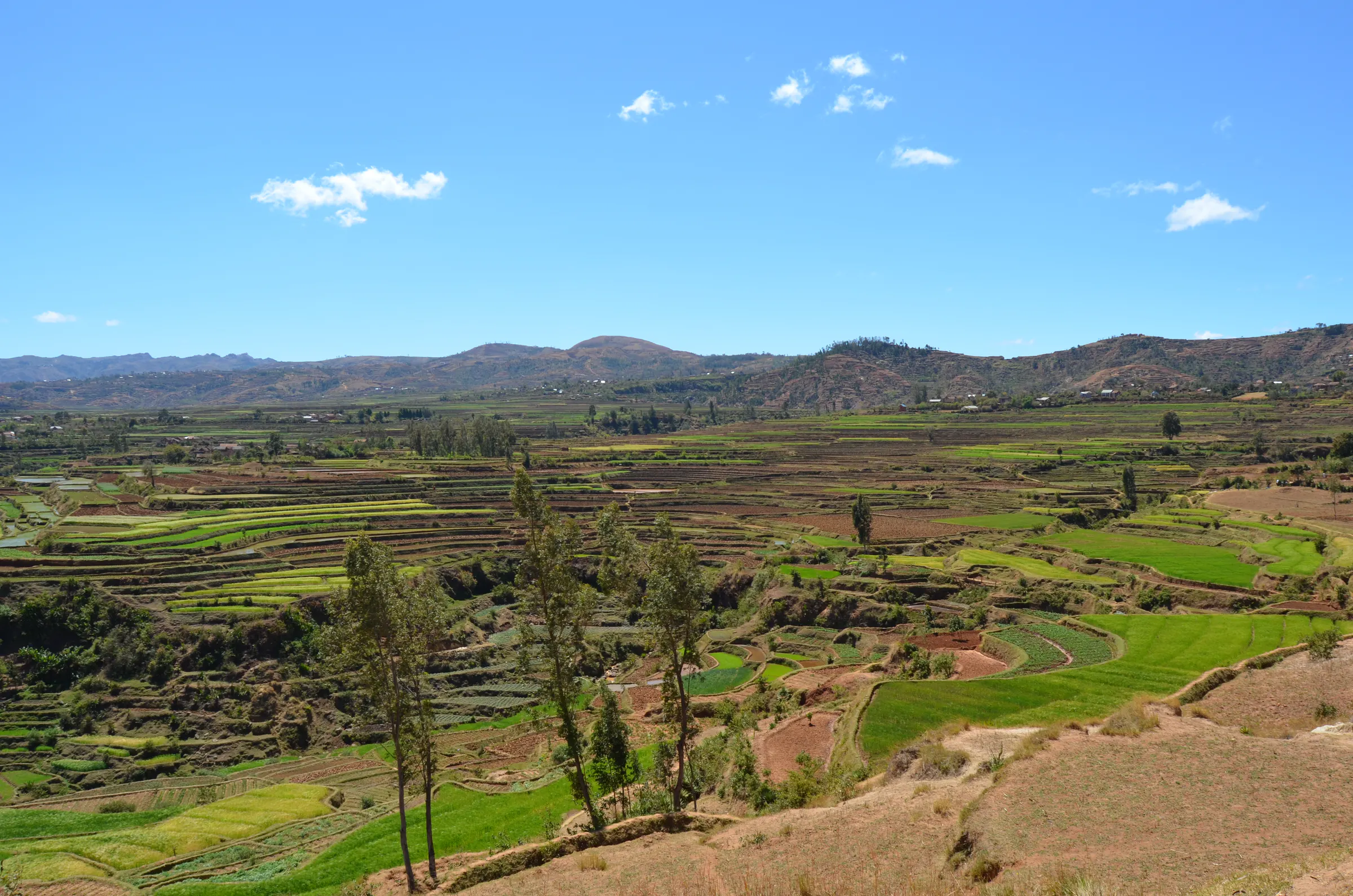
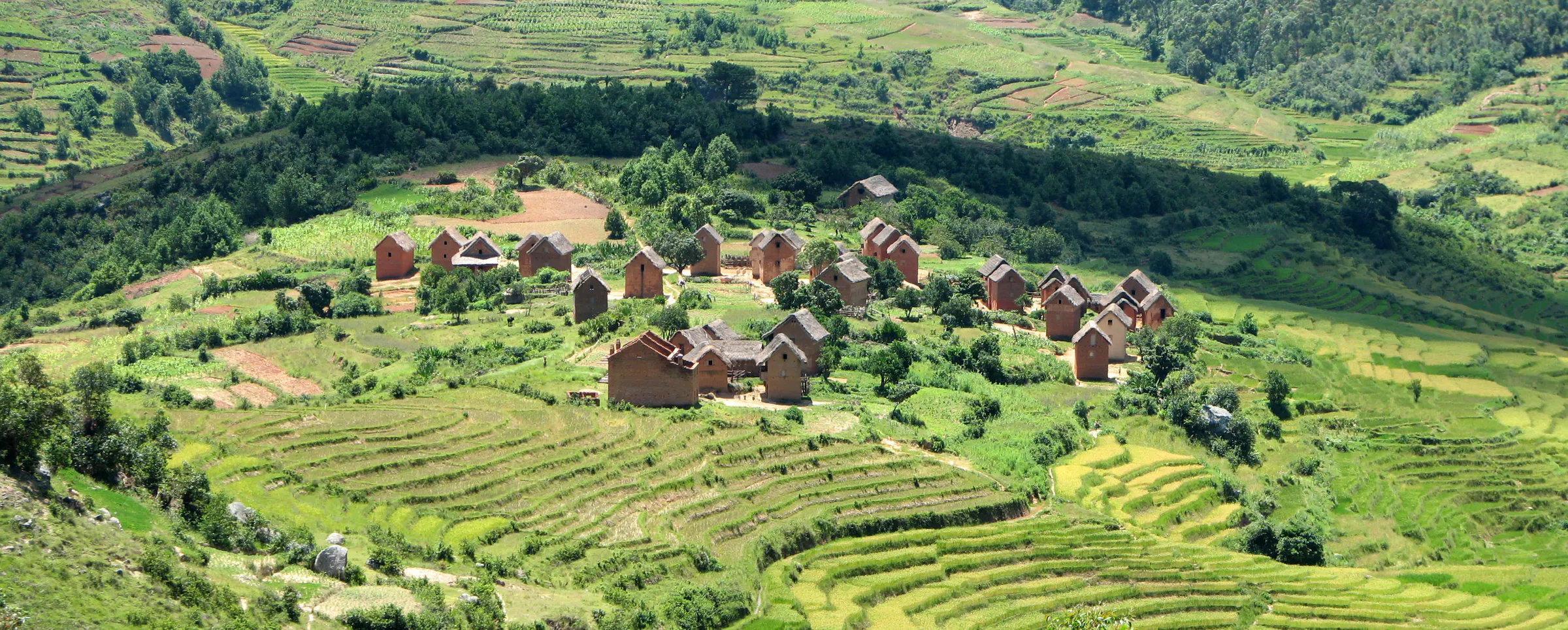
Lake Alaotra, at 750 meters above sea level, is the largest lake in Madagascar. Close to 100,000 hectares of paddies surround it, which is why it is known as the country's rice bowl.
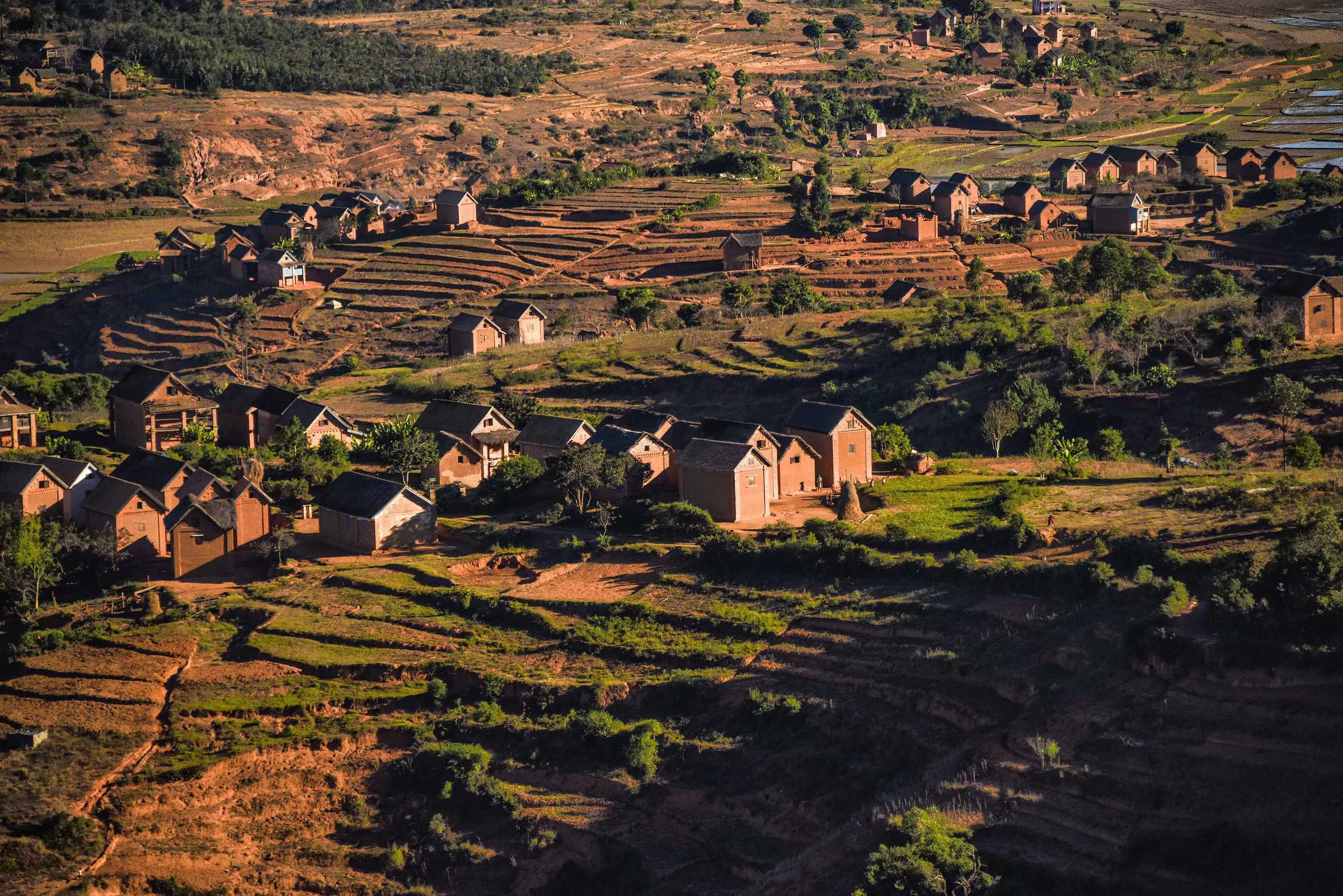
The district of Amparafaravola stretches along the western shore of the lake and has 21 communes, where rice is the main crop. The rains fill the paddies and the dry season brings in the harvest: here, the whole year runs on water.
Makalioka is the lake's own variety. Its long, white, translucent grain ranks it among Madagascar's luxury rices, and most of the tantsaha around Alaotra grow it. It has a long cycle of nearly six months and needs standing water when it flowers. It is part of the identity of the Sihanaka, the people of the region.
The lake is shallow, a meter and a half deep at most. Its marshes have been a Ramsar-listed wetland since 2003 and are home to the bandro, a lemur found nowhere else on Earth. Here, paddy, water and marsh make up a single landscape.
Makalioka takes its time: nearly six months from seedbed to harvest. Every stage follows the rains, then the sun.
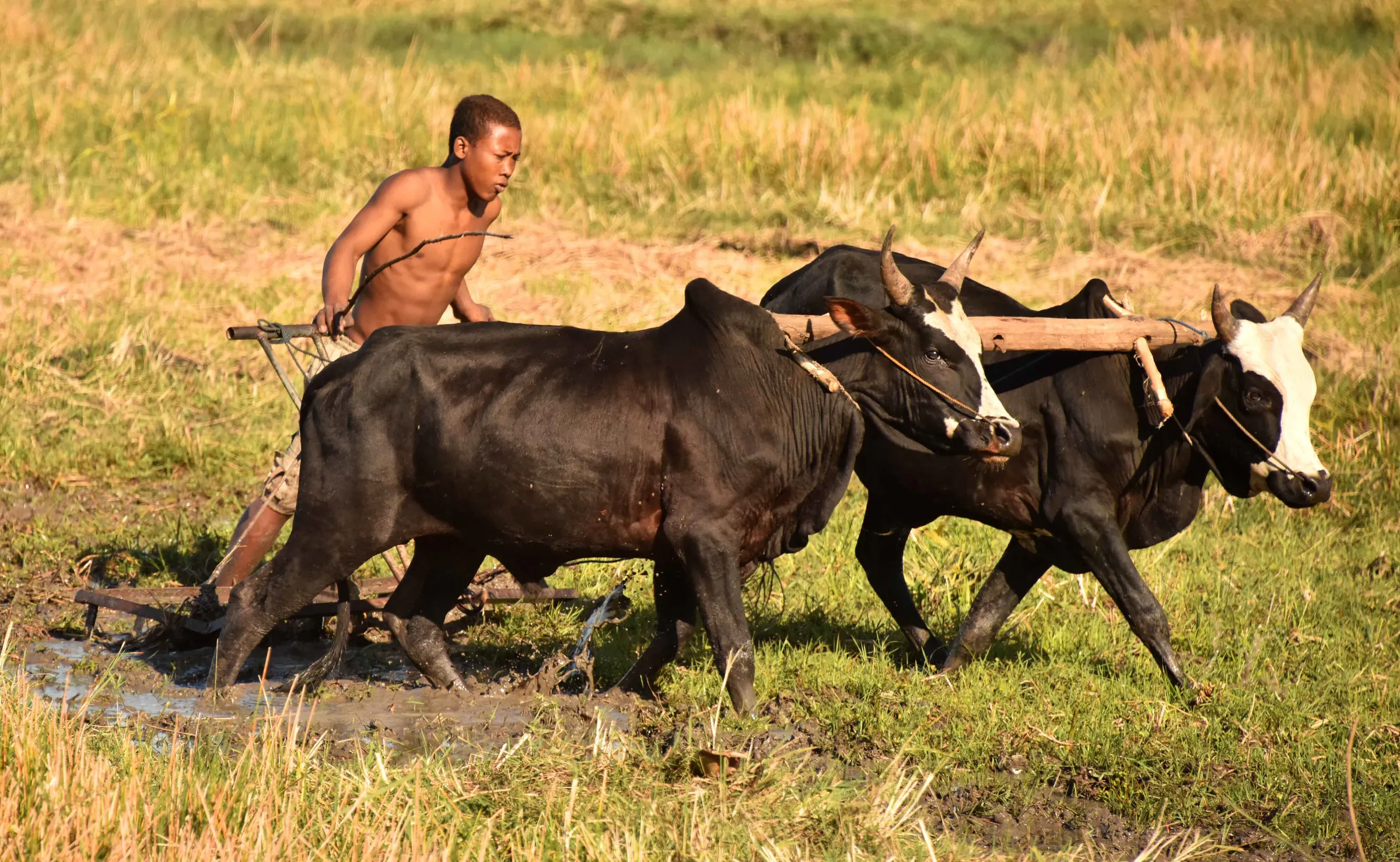
1 Pl. III.1
At the end of the dry season, the tantsaha turn the soil with an angady, the long Malagasy spade, or a plough, and rebuild the small dikes that will hold the water in.
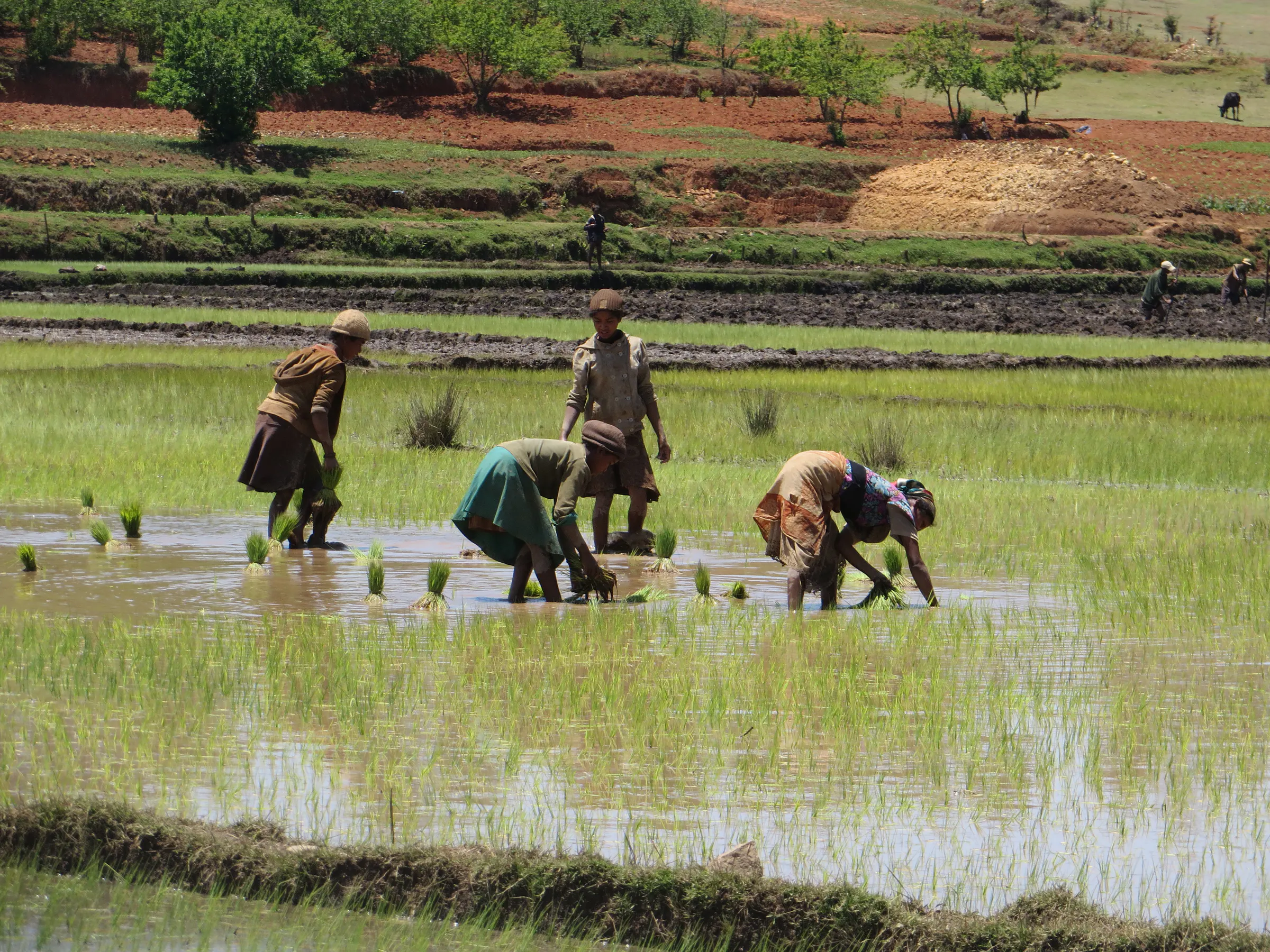
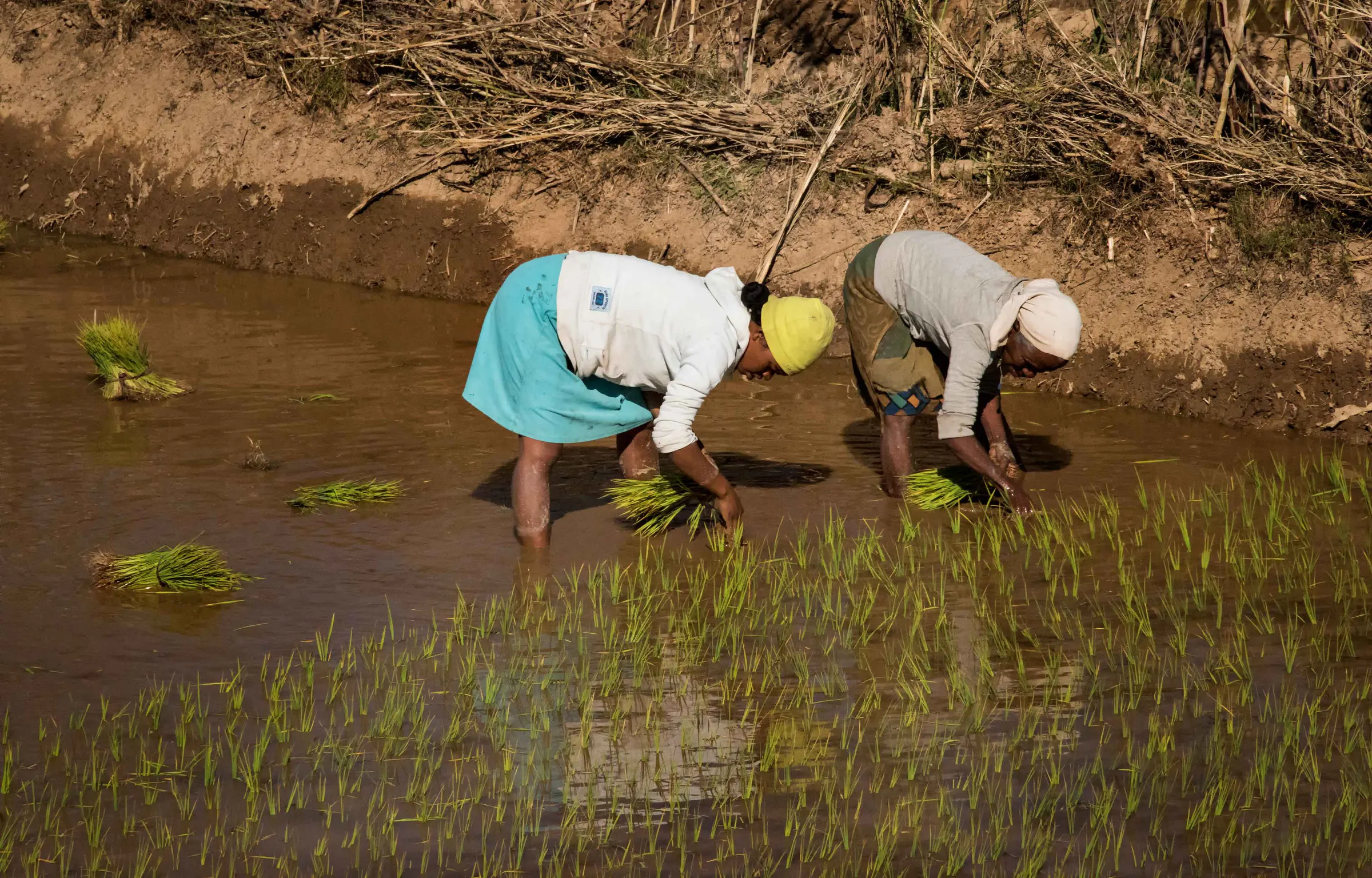
2 Pl. III.2
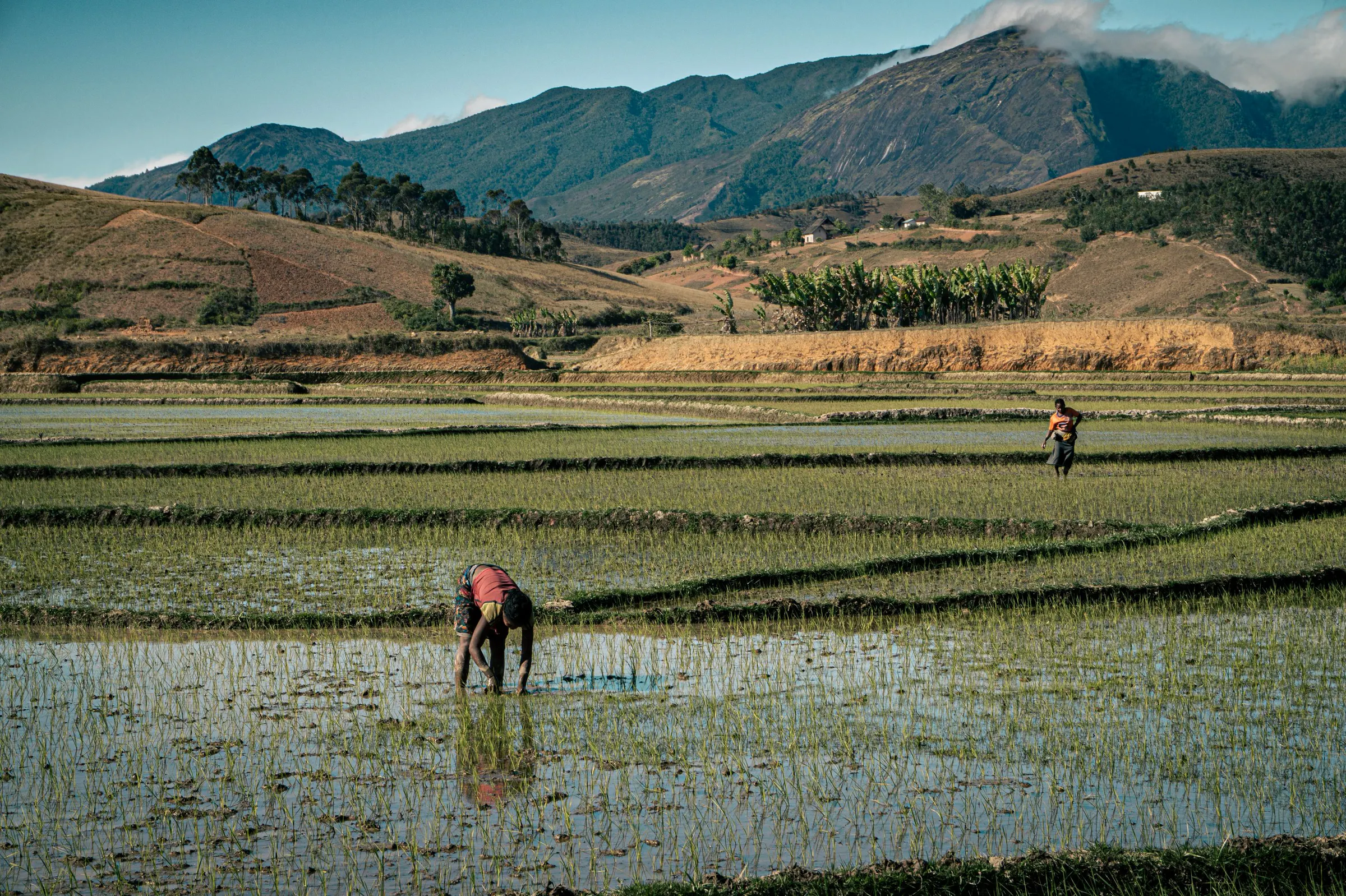
The seed first sprouts in close rows in the taninketsa, the seedbed. Once the ketsa, the young seedlings, have turned a soft green, they are pulled up by the handful and replanted in the flooded paddy.
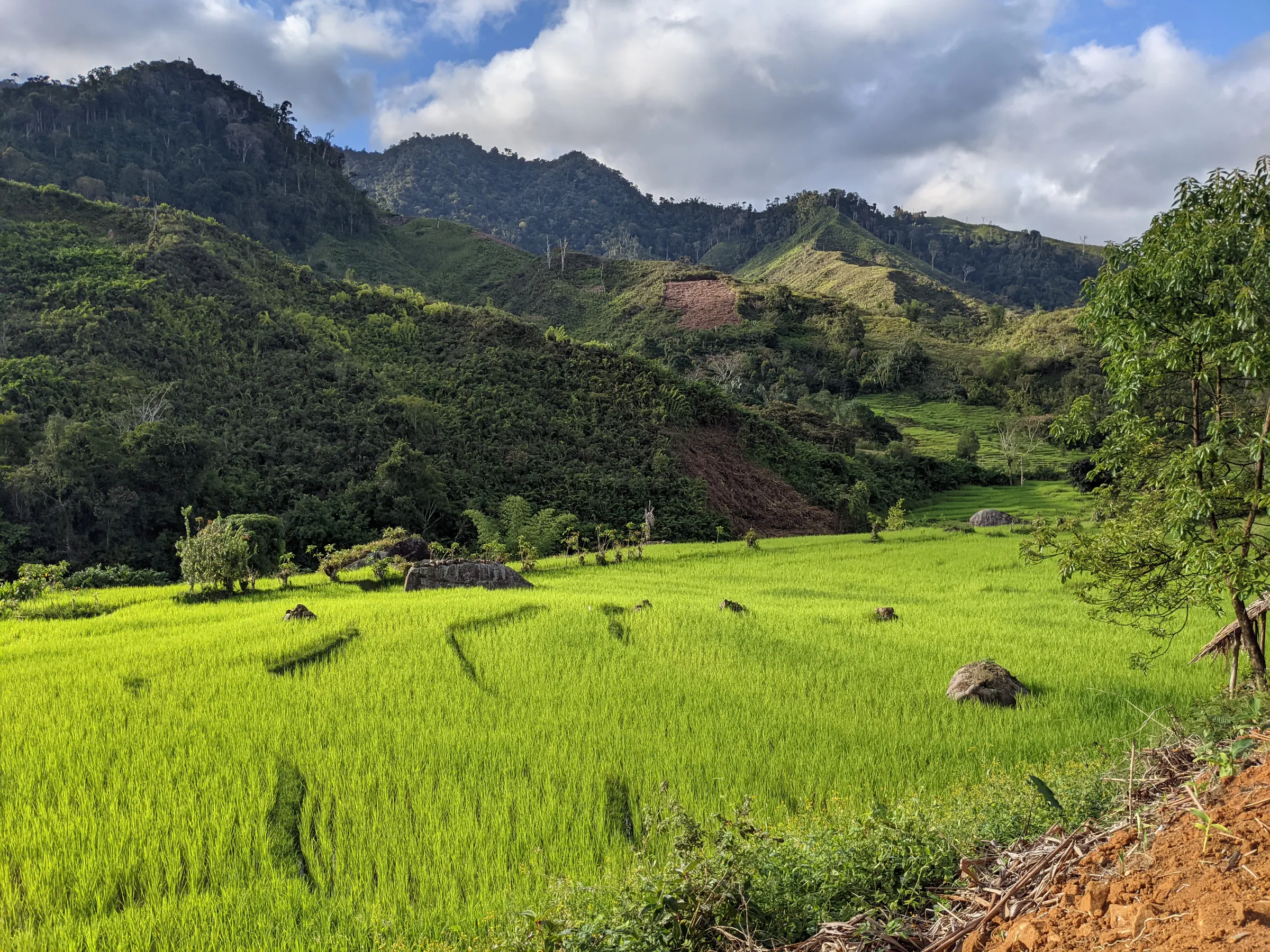
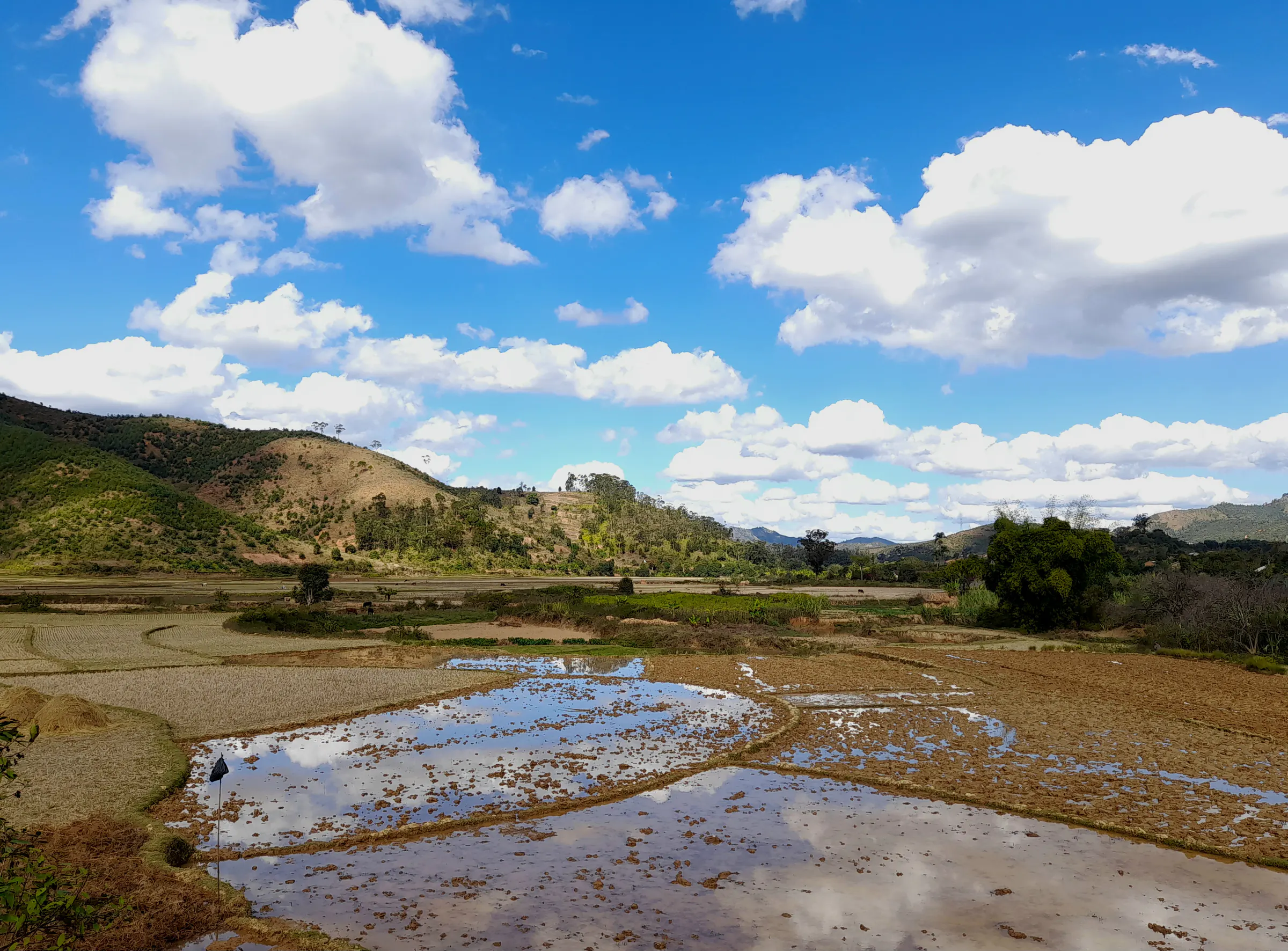
3 Pl. III.3
For months the paddy reflects the sky. Makalioka flowers around April, and at that point it needs carefully managed water.
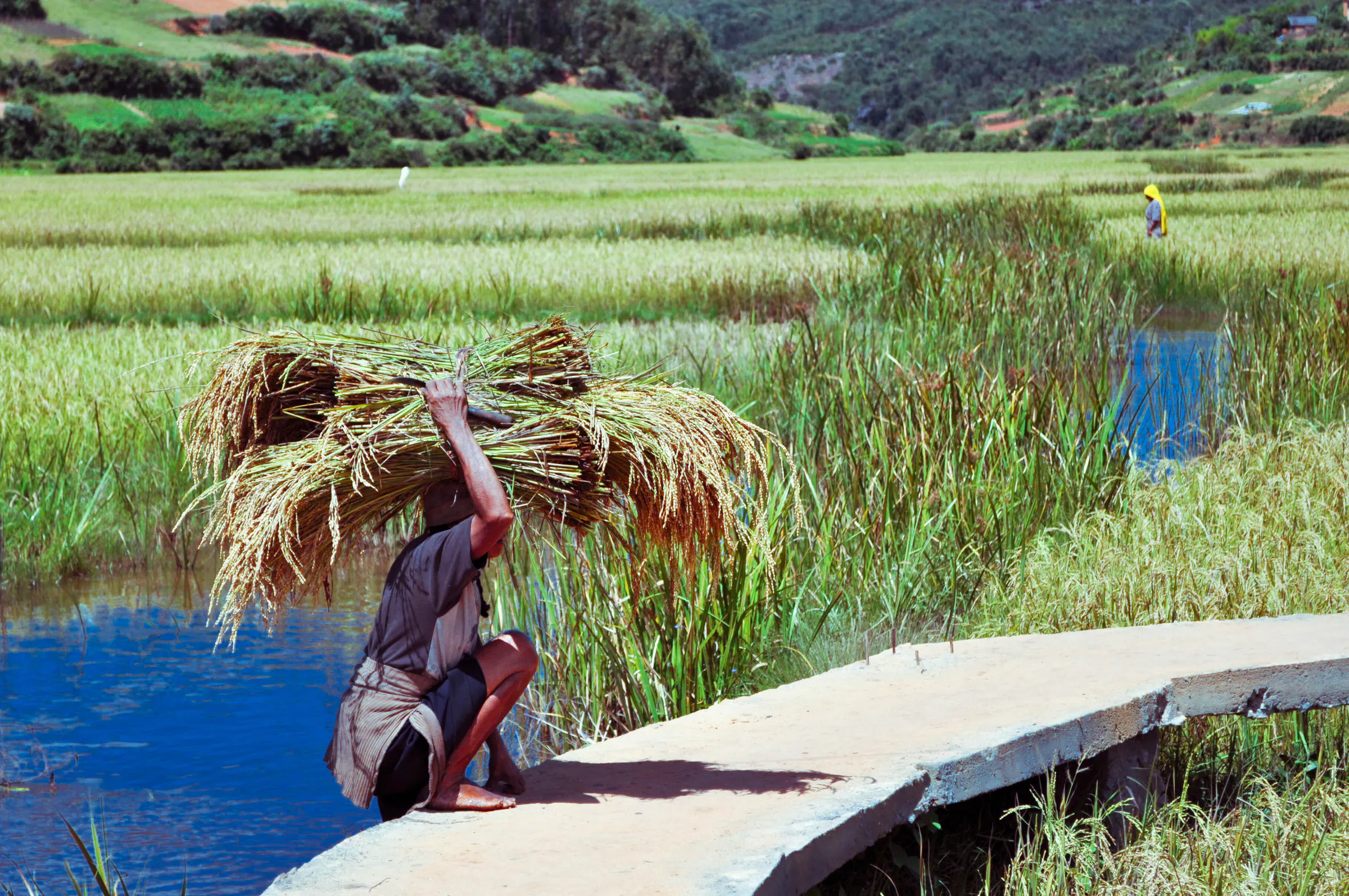
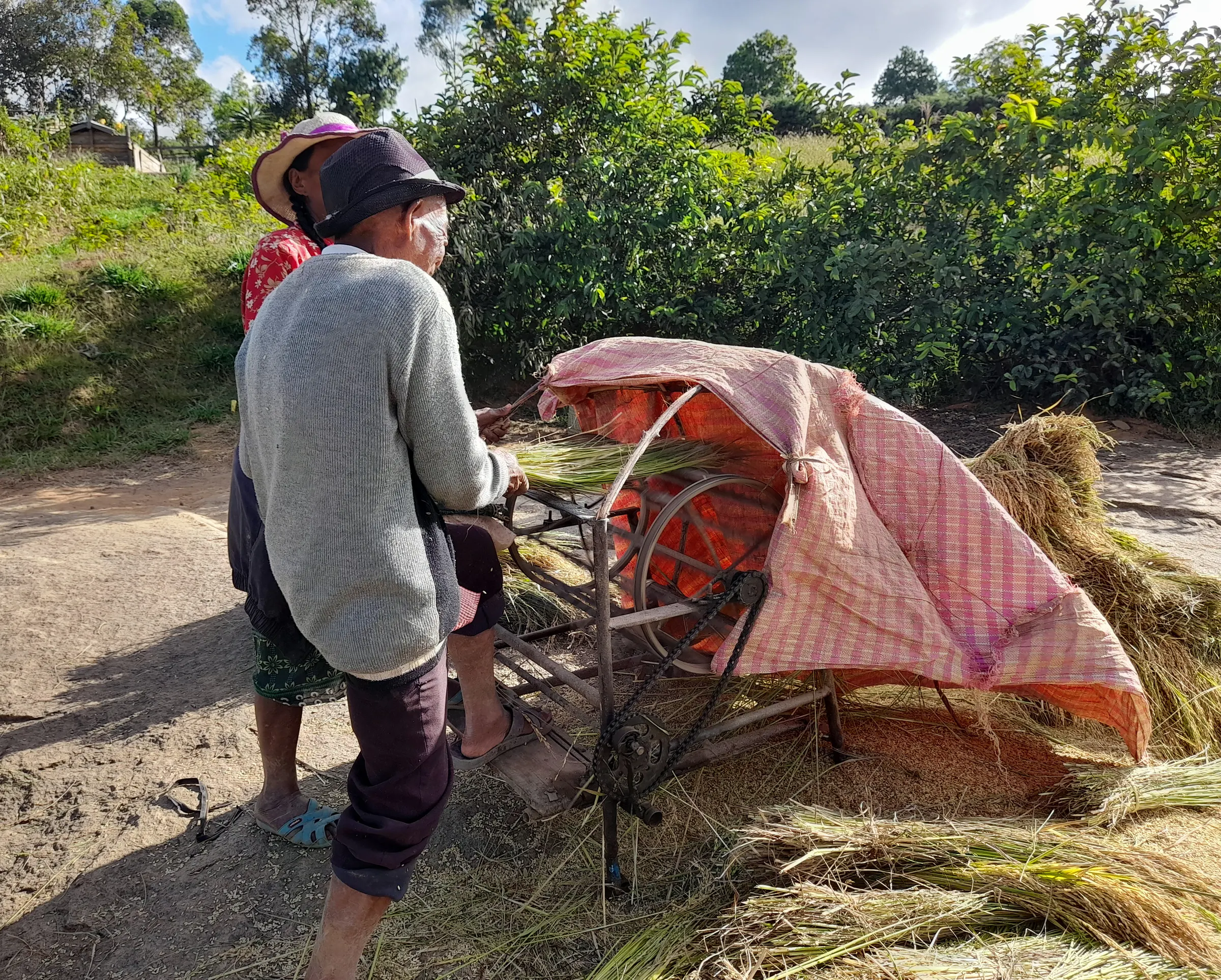
4 Pl. III.4
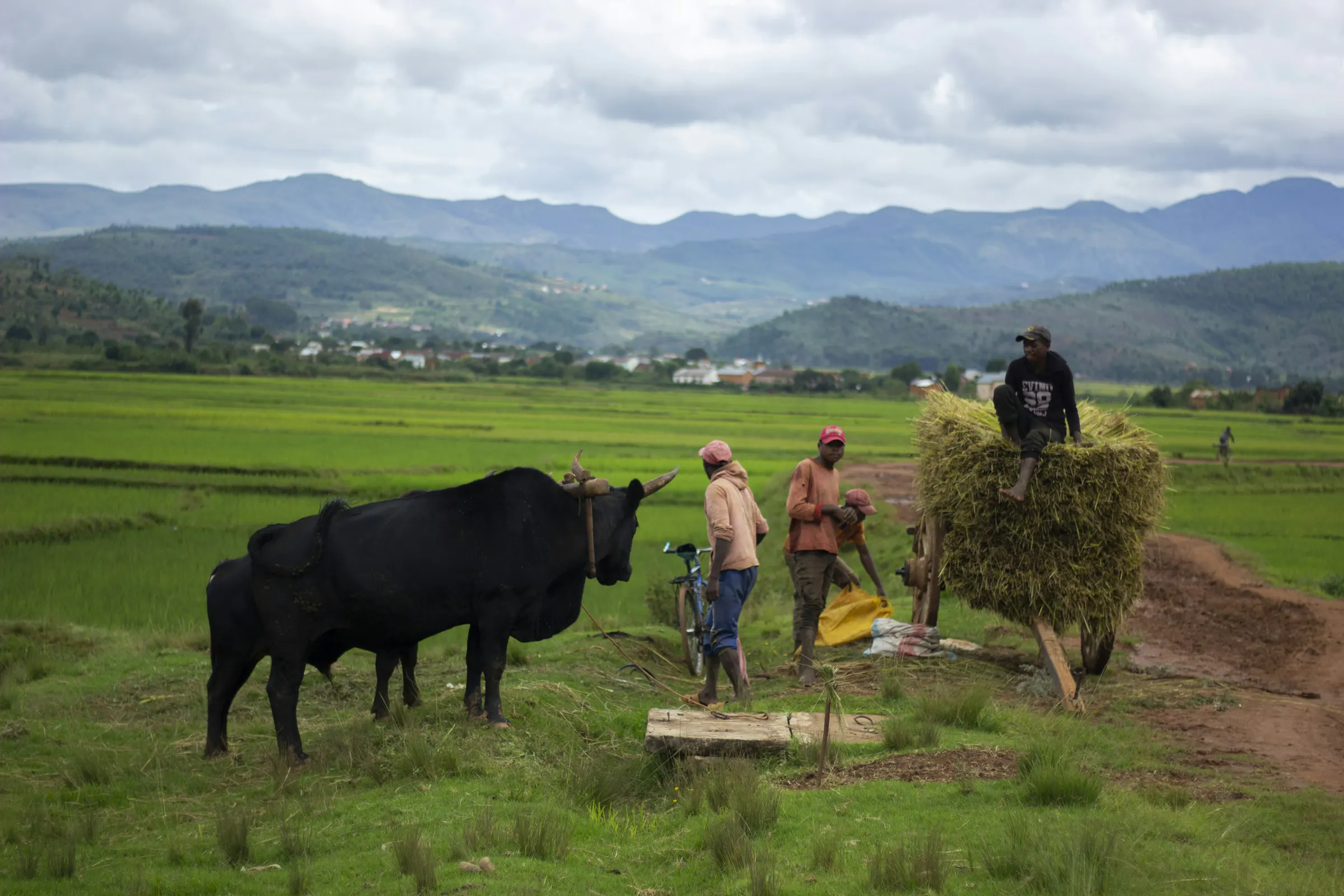
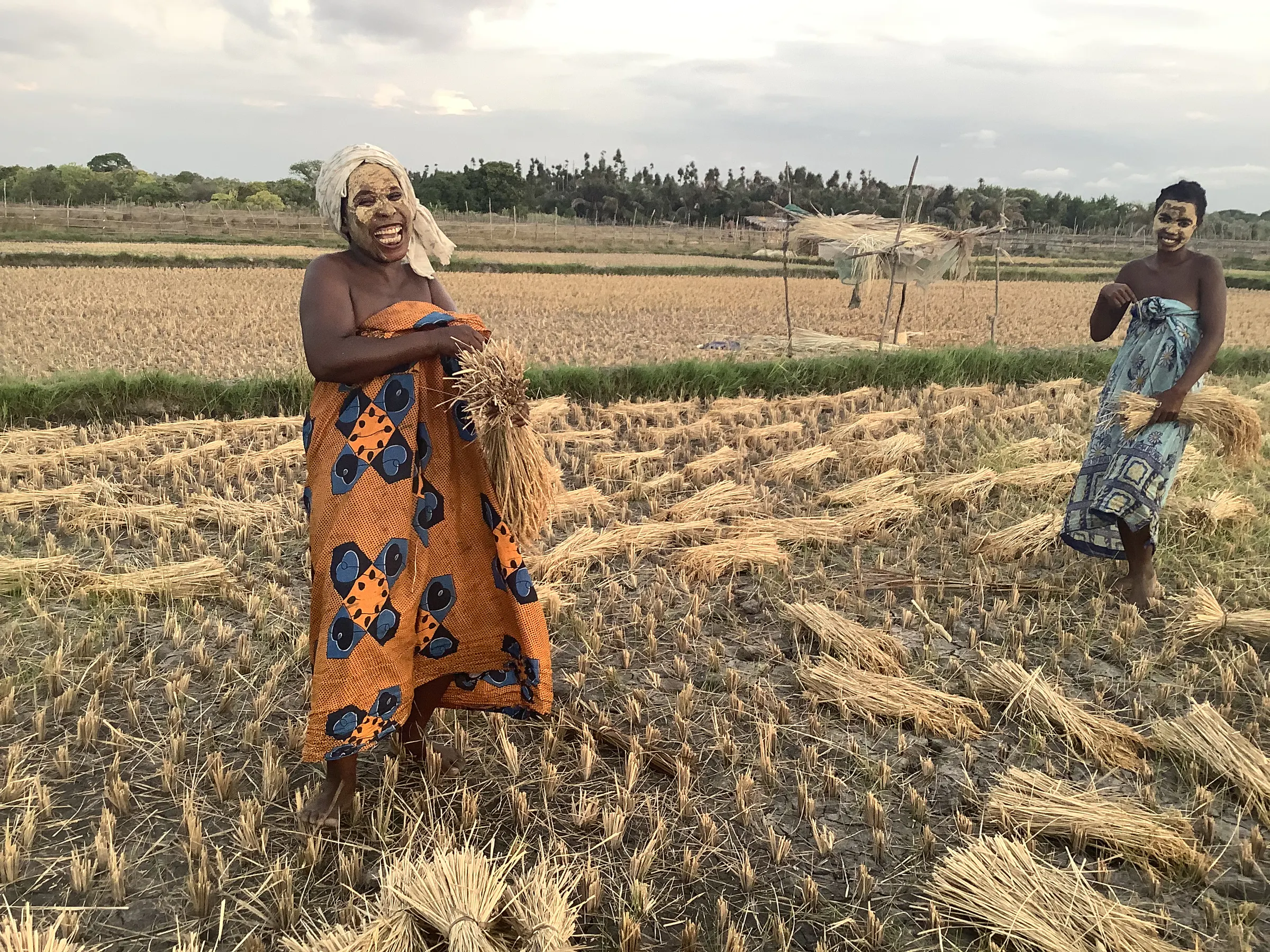
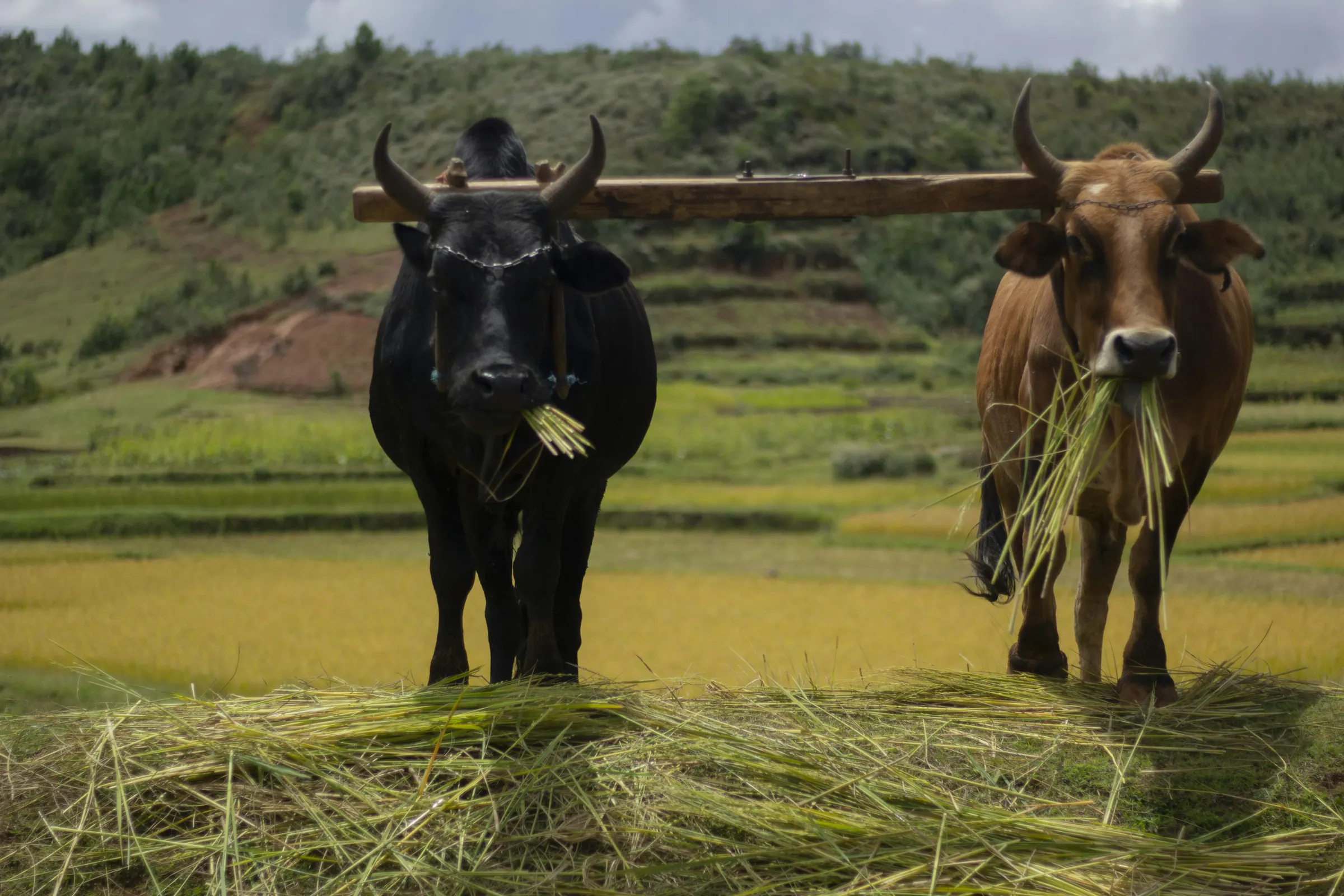
After flowering comes the fijinjana, the harvest, its timing set by each year's rains. The ripe heads bow low. The rice is cut, then threshed to separate the grain from the straw.
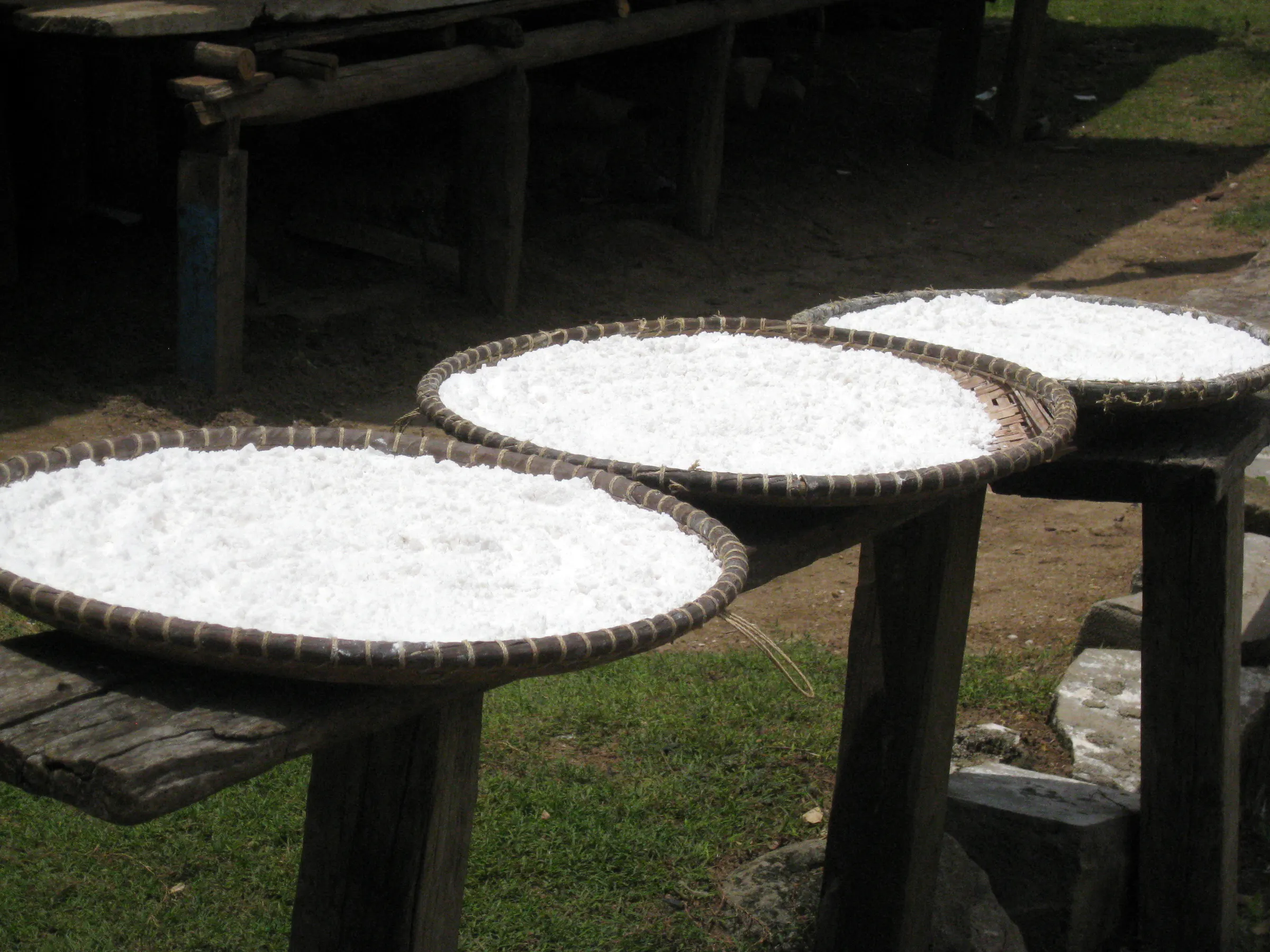
5 Pl. III.5
The paddy rice, called akotry, dries in the sun in a thin layer and is turned often. Well-dried grain keeps better and hulls with fewer broken grains.
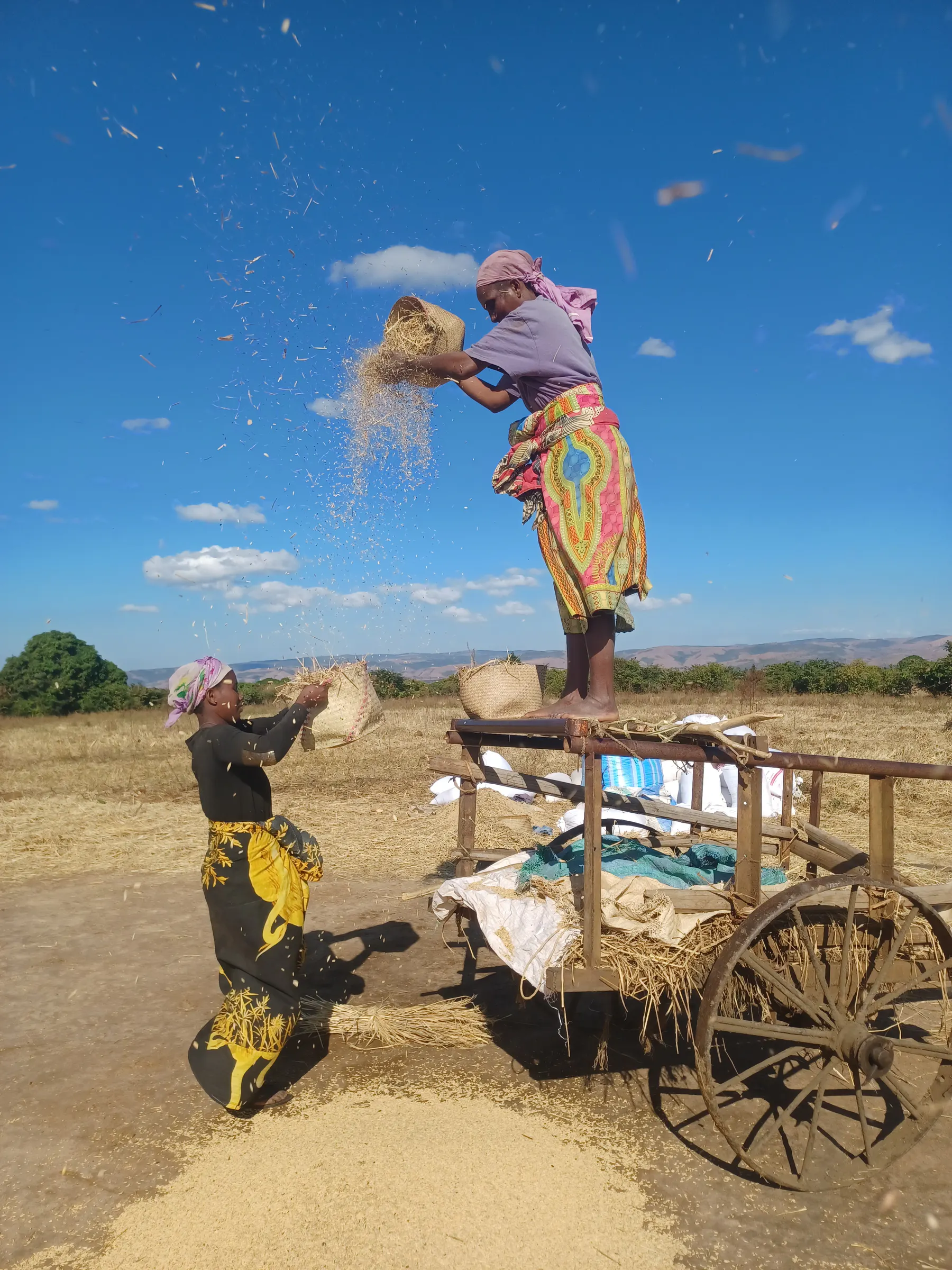
6 Pl. III.6
Once hulled, the rice is sorted to remove impurities and damaged grains. What remains is the long, white, translucent grain.
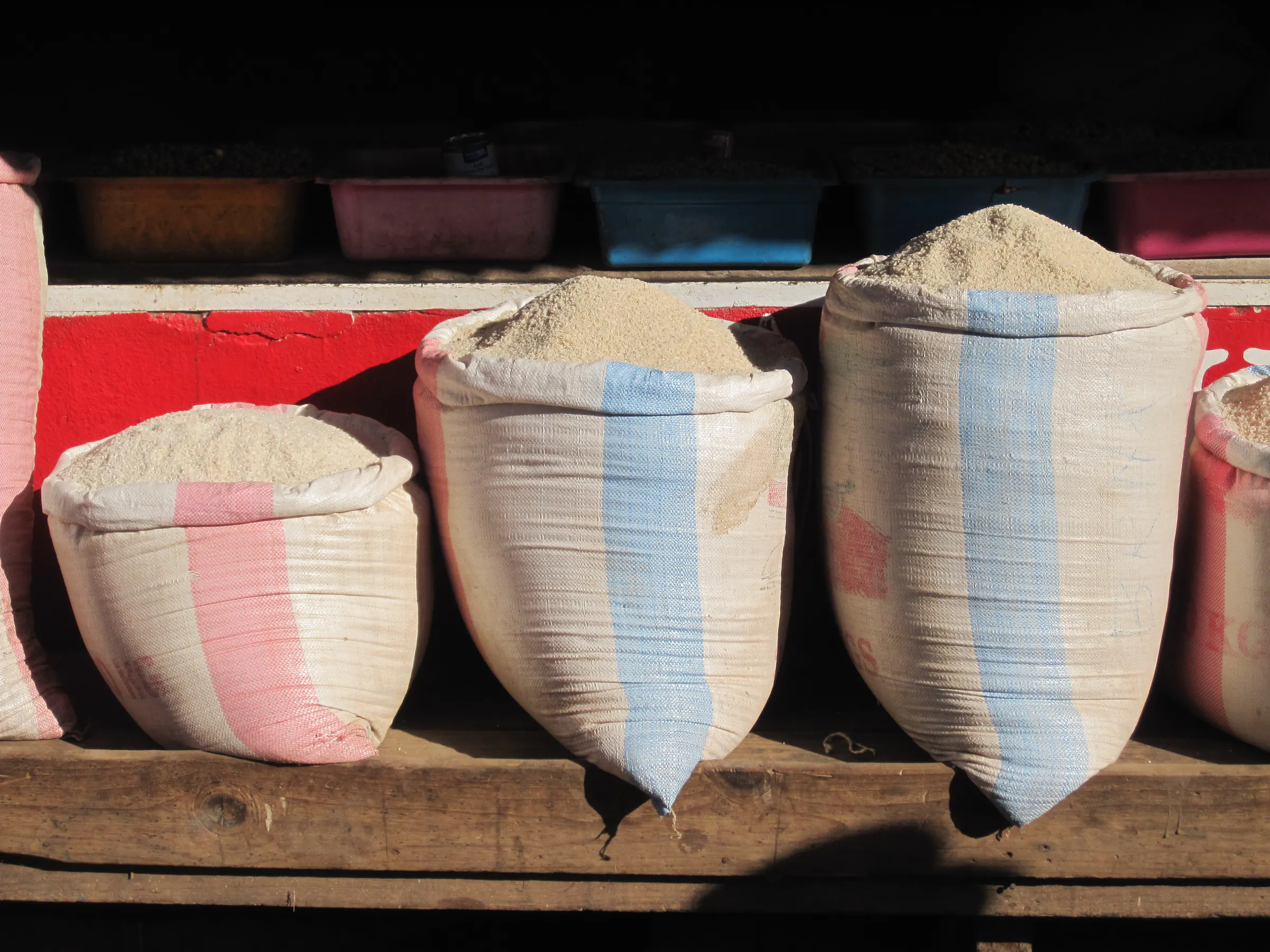
7 Pl. III.7
Mahasoa Produits Locaux packs the rice in 5 kg bags, so it reaches your kitchen clean.
In Madagascar, rice is part of every meal, from morning to night. The word for eating, mihinam-bary, literally means "to eat rice". People often say "Ny vary no aina": rice is life. Around Lake Alaotra, it shapes daily life in the villages, from seedbed to granary, and every bag carries the work of the tantsaha.
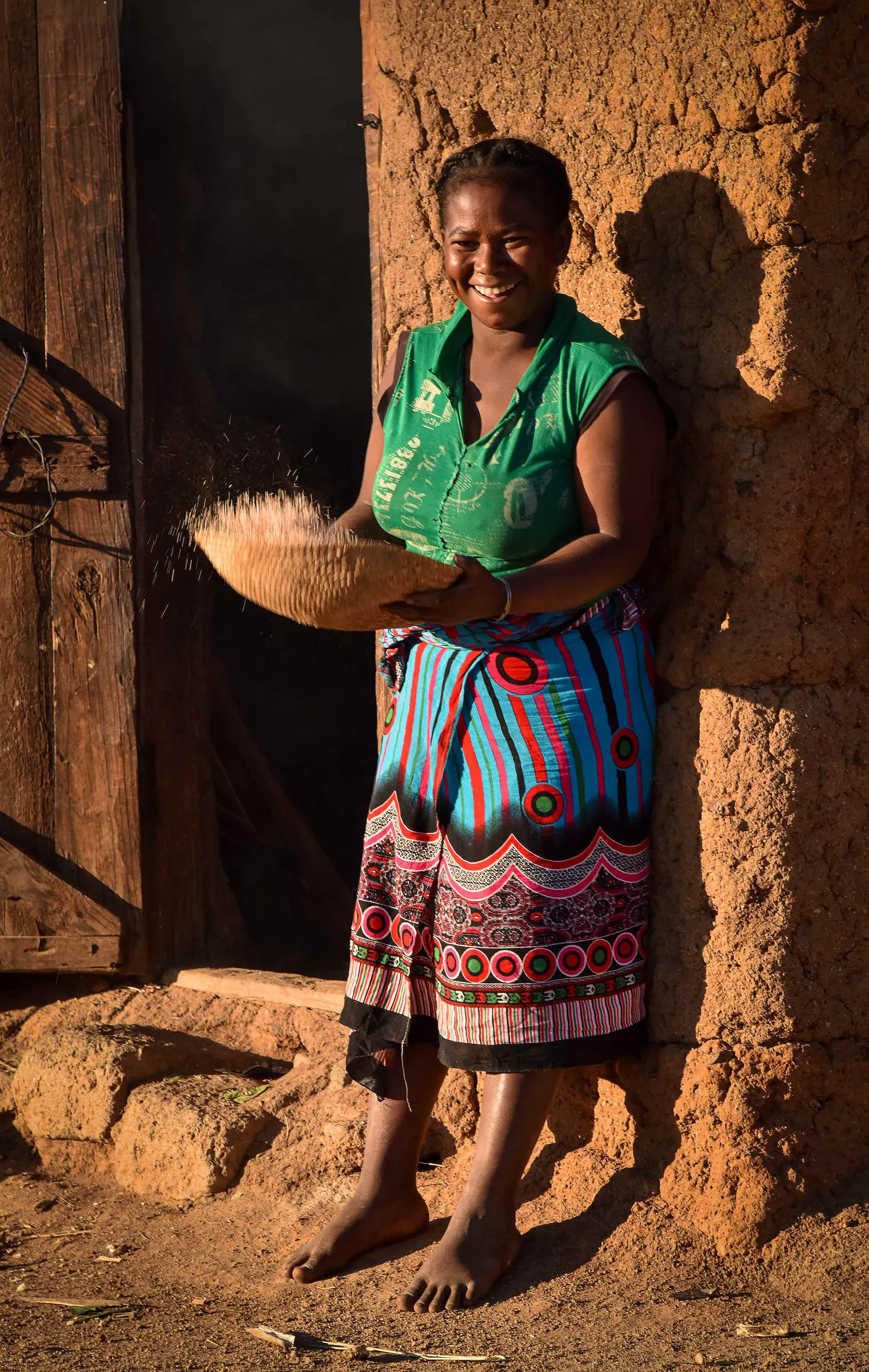
"Manaova toy ny vary: tsy vitan'ny efa mijoro fa miondrika koa." Be like the rice: it does not only stand tall, it also knows how to bow.
A Malagasy meal is vary and laoka: rice, and whatever is served alongside it. Dry and light at lunch (vary maina), soft and comforting in the morning (vary sosoa), Makalioka suits every corner of the island's cooking.
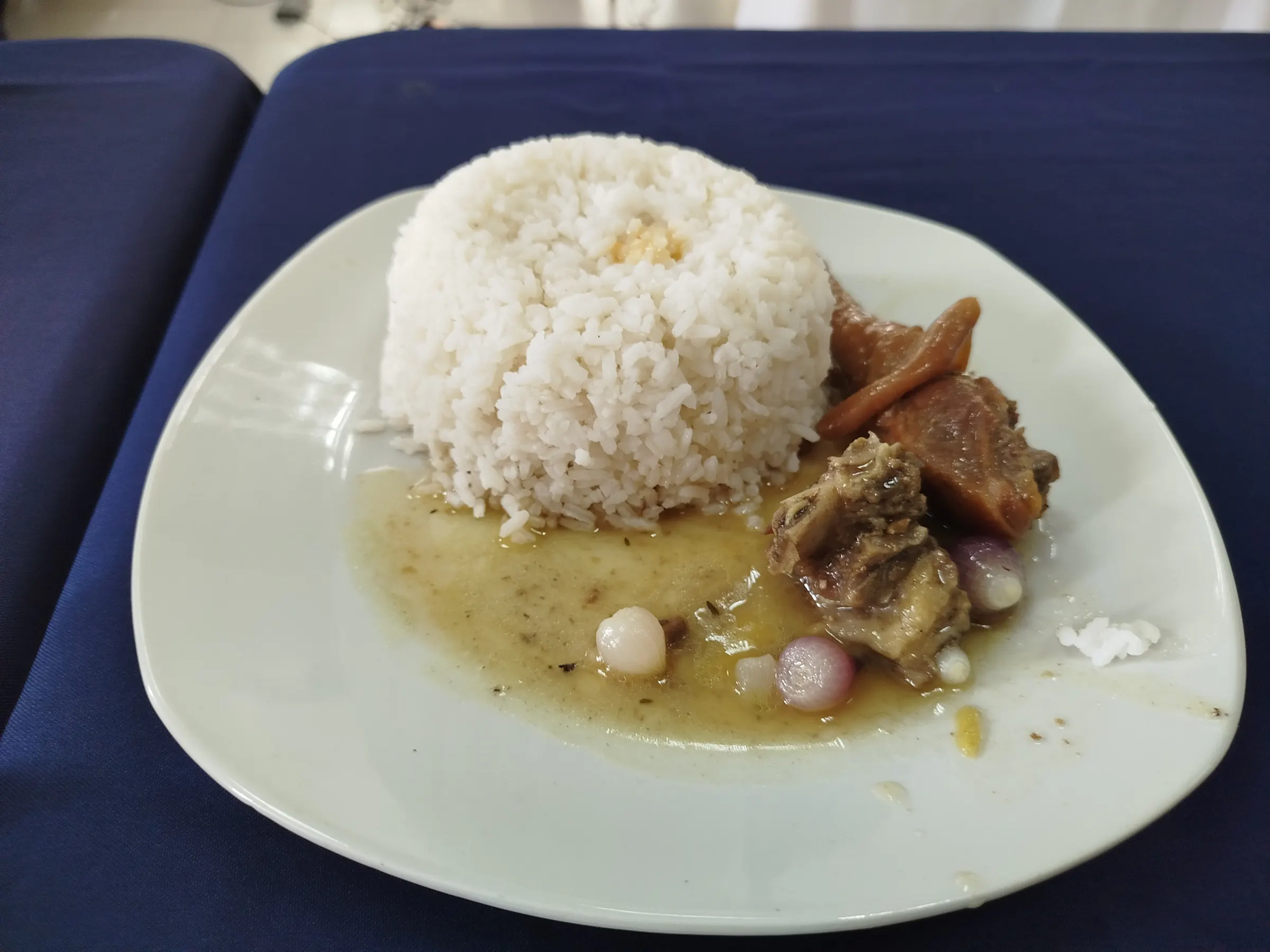
Vary amin'anana
Rice cooked with chopped leafy greens, often with a little meat, until it turns into a thick, soupy porridge. Eaten morning or evening with kitoza (dried strips of meat), salt fish or an egg.
Romazava
Often called the national dish: a broth of zebu beef and greens, including brèdes mafana, the leaves that make your tongue tingle. Always served with rice.
Ravitoto sy henakisoa
Pounded cassava leaves, slow-cooked with pork and sometimes coconut milk, garlic and ginger. Served with a bowl of well-cooked white rice.
Vary sosoa
Morning rice, cooked in plenty of water until meltingly soft. A pinch of salt, a few strips of kitoza, and the day can begin.
Sakay
A red or green chili paste, sharpened with ginger and garlic. A dab on the side of the plate is enough to wake up the rice and its laoka.
Ranovola
As rice cooks, it leaves a thin golden crust at the bottom of the pot, the apango. Boiling water is poured over it and left to steep: this is ranovola, "golden water", drunk with the meal.
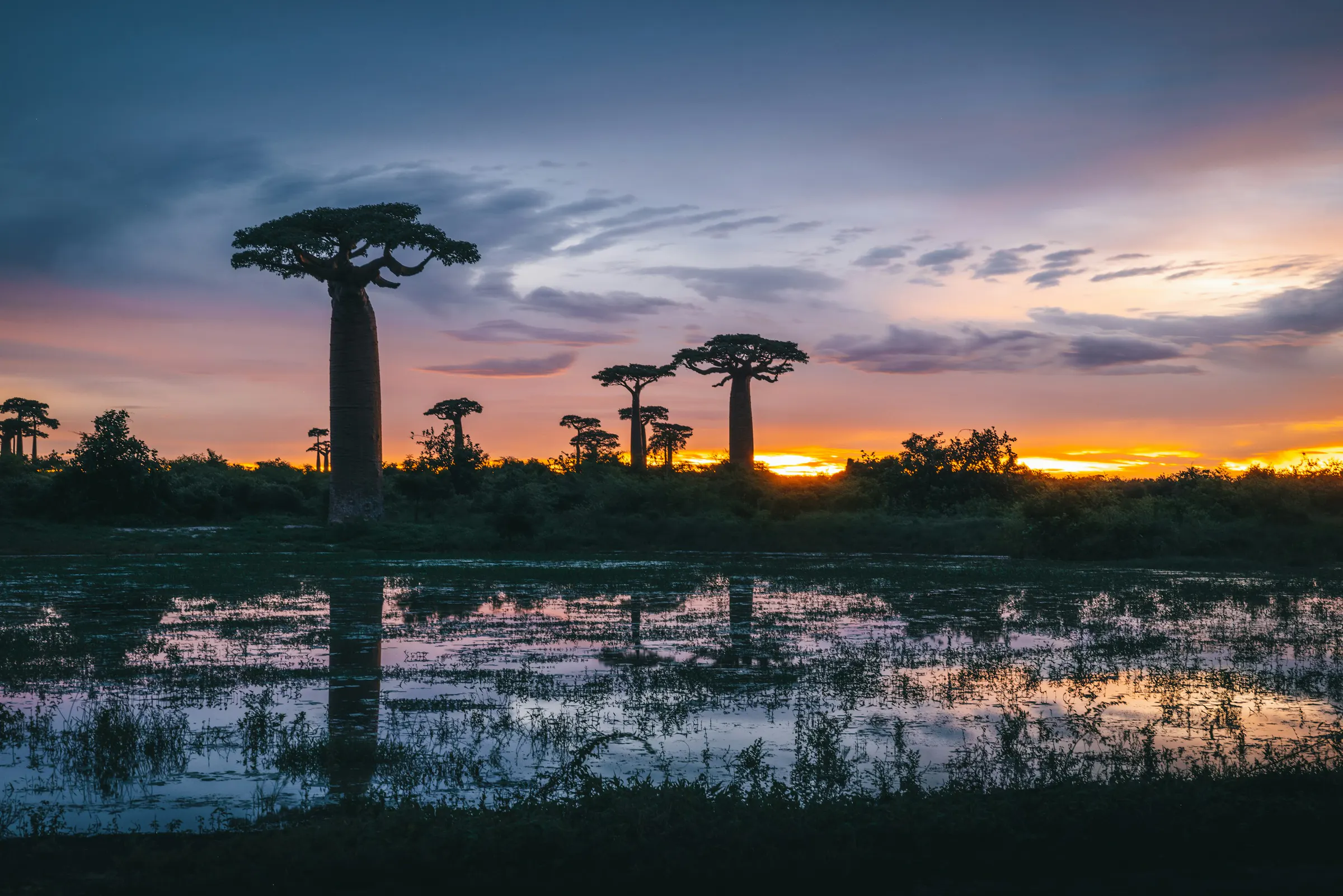
It depends on how you cook, but Makalioka is among the most sought-after rices in the country. Its long, white, translucent grains place it among Madagascar's "luxury rices", and the market favors it over red, opaque rices. Most of it comes from Lake Alaotra, home to Amparafaravola.
Makalioka is a Malagasy rice variety with a long, white, translucent grain, grown mainly around Lake Alaotra. It has a long growing cycle of nearly six months and is grown in irrigated paddies. In Malagasy, the word itself refers to a white, long, translucent rice.
It comes from the Lake Alaotra basin in the Alaotra-Mangoro region, especially the districts of Ambatondrazaka and Amparafaravola. It is the most widely grown variety in the basin, known as Madagascar's rice bowl. Our Makalioka Premium rice comes from Amparafaravola.
Malagasy markets sort rice into vary lava (long grain, including Makalioka and tsipala), vary botra (round grain, red or white), vary antonony (medium grain) and vary tanety, grown on hillsides without irrigation. There are also red rices such as vary mena, and short-cycle varieties like X265 and Sebota. Tsipala is among the most widespread across the country; Makalioka dominates around Lake Alaotra.
Rinse the rice, then use about two cups of water for every cup of rice. Bring to a boil, cover and simmer over low heat for 15 to 20 minutes, until the water is absorbed. Leave it covered to rest for about ten minutes before serving. For ranovola, pour boiling water over the golden crust left at the bottom of the pot.
Order directly from Mahasoa Produits Locaux by phone or WhatsApp on +261 38 51 783 94. Get in touch to check availability and prices.
Grocers, shops, restaurants and wholesalers can reach us by phone or WhatsApp on +261 38 51 783 94. Ask us about volumes, availability and prices.
Yes, in 5 kg net bags. The rice is selected and packed by Mahasoa Produits Locaux to guarantee a clean, quality product. For a special request, contact us.
The GTIN (EAN-13) for the 5 kg bag is 3665902239520. Resellers can use it to list the product at checkout and in stock.
Varieties, cooking, recipes and growing: the essentials on Makalioka and the rice of Madagascar.
Makalioka rice from Madagascar: the Makalioka 34 variety of Lake Alaotra, its long translucent grain, market reputation, how to choose, store and cook it.
Makalioka, tsipala, vary gasy, red rice, upland rice and X265: a guide to Madagascar rice varieties, their grains, growing regions and uses in the kitchen.
Lake Alaotra rice explained: Madagascar's largest lake, the PC15 and PC23 irrigation schemes, Amparafaravola, the rice calendar, the bandro lemur and threats.
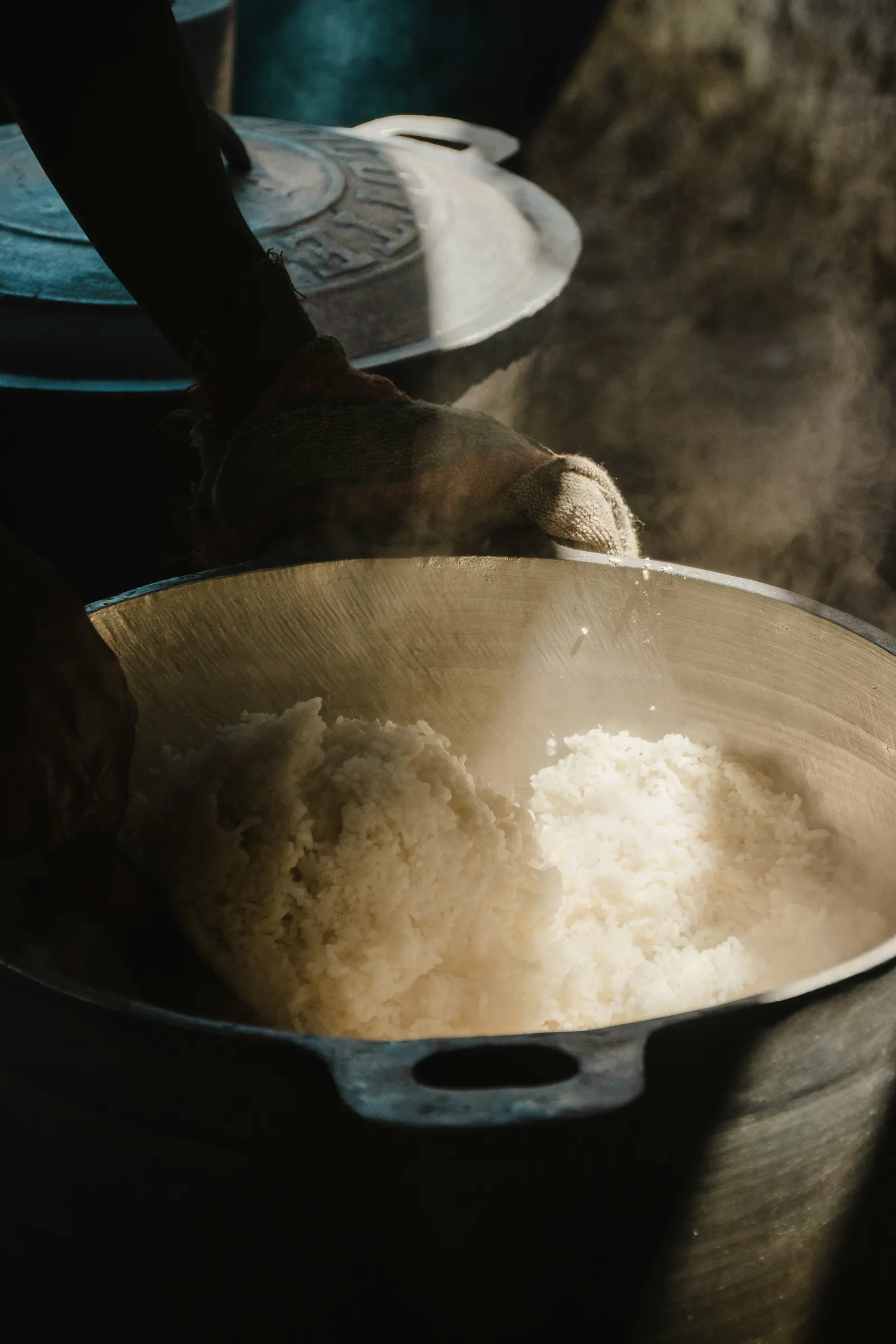
How to cook Malagasy rice the Madagascar way: rinsing, kapoaka water ratios, pot method, vary sosoa, ranovola, a vary amin'anana recipe and safe storage.
An order, a question, a price request? Call us or send us a message on WhatsApp.
Grocers, shops, restaurants, distributors: let's talk volumes and availability. Get in touch to receive our terms and prices.